

Why Bloating Gets Worse After 40
When I reached my 40s, my bloating started to feel different. Nothing dramatic, just more noticeable. I’d eat the same meals I always did, and yet, I’d feel uncomfortably full. My clothes started to fit differently, and my belly sometimes looked like an early pregnancy. It was confusing, especially since nothing had obviously changed in my routine.
You’re Not Imagining It: Bloating After 40 Is Common
Bloating after 40 is very common and it often only gets worse with age. Many women reach midlife expecting changes in energy and sleep, but digestive problems often come as a surprise. The discomfort isn’t extreme, but it can become persistent enough to feel frustrating.
You may start wondering if you’ve suddenly become sensitive to foods, intolerant, or out of balance. It may happen. But in many cases, midlife bloating is simply your body adapting to changes in hormones, stress response, and digestion.
Why Bloating After 40 Feels Different
Bloating in midlife rarely comes from a single cause. It’s more often a result of several subtle shifts happening all at once. Unfortunately, these shifts rarely arrive one at a time.
Hormonal Bloating: How Hormonal Changes Affect Digestion
Hormones affect digestion more than you’d expect. Beyond mood and cycles, they also regulate how fluids move through your body, how quickly food passes through the gut, and how sensitive your digestion feels. They act a bit like traffic controllers for digestion.
When estrogen and progesterone are stable, digestion tends to run smoothly. As they start to fluctuate, the coordination is less steady and digestion less predictable. Some women will notice more water retention, others slow gut movement, and many will feel discomfort after eating, like more pressure or fullness.
Estrogen encourages the body to hold onto fluid. Progesterone slows gut movement. When this happens at the same time, food stays in the intestines a bit longer, giving bacteria more time to produce gas, while extra fluid builds up. This combination creates pressure: the bloated, swollen feeling many women know all too well.
This isn’t your body working against you. It’s your body trying to adjust to mixed hormonal signals. Understanding that you’re dealing with hormonal bloating can take away some of the confusion and self-blame around digestive bloating at this stage of life.
Stress-Related Bloating: How Stress Worsens Bloating After 40
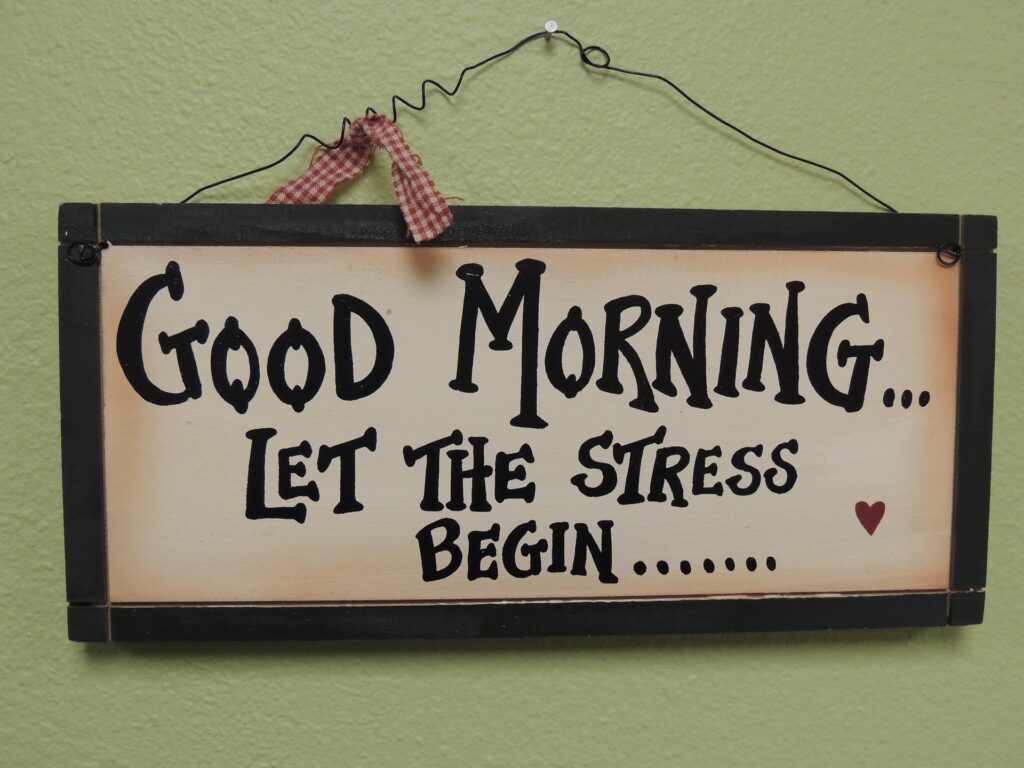
By midlife, the gut becomes more sensitive to stress. And most women are carrying a full load: work, family, emotional labor, and constant responsibility to keep things going. Your nervous system is often operating in an alert state, and when you consider the world we live in, that’s not unusual.
Digestion is closely tied to the nervous system. So when the body is under ongoing stress, blood flow and energy are redirected away from digestion, and digestion tends to slow down and lose some of its coordination. The abdomen can start to feel heavy, tight, or uncomfortably full.
After 40, the gut’s response to stress often becomes even more noticeable, and stress-related bloating can show up more easily. The same level of stress that once passed unnoticed may now show up physically as bloating, pressure, and that familiar end-of-the-day discomfort.
This doesn’t mean stress is the cause of bloating. It means your body has less buffer than it used to, and it’s signaling that it needs a calmer state for digestion to work well.
Slower Digestion: How Digestion Naturally Changes After 40
As we get older, digestion naturally becomes a little bit less efficient. That doesn’t mean something is wrong. Your body may simply need some more time, more ease, and fewer interruptions.
Eating quickly and skipping meals may have worked in your 30s, but after 40, these same habits may lead to digestive bloating because your body needs gentler care.
What Bloating After 40 Usually Isn’t
When bloating becomes more frequent and more noticeable, it’s completely normal to worry about it. Many women start wondering if they’re doing something wrong or not doing something important. In most cases, though, bloating in midlife is NOT:
- A sign of illness you’re unaware of
- Caused by a single “bad” food you need to eliminate
- A sign that you immediately need to restrict, cleanse, or reset your body
It can be relieving to know that bloating is often your body’s way of communicating that it needs a little bit more support, not more control. When you know what bloating usually isn’t, it makes the problem less alarming. When the worry eases, it becomes easier to focus on what actually helps.
What Actually Helps With Bloating After 40
There’s no single solution for bloating. That may sound discouraging at first, but it’s actually good news. Relief often comes from small, supportive changes that work with your body, not against it.
Here are a few gentle things many women find helpful. You don’t need to do all of them. Even one can make a noticeable difference for midlife bloating:
1. A Calmer Start to Meals
How you begin a meal matters more than you realize. When you eat while rushed, distracted, or tense, digestion tends to be in that same state. Sitting down, pausing for a moment, or taking a few slow breaths can help signal to your body that it’s safe to digest.
For some, abrief moment of gratitude or prayer before meals naturally creates that pause. It helps the body settle and turns eating into something calmer and more intentional. Many women find that this alone reduces that pressured feeling after eating.
2. Slowing The Eating Rhythm
For many women, eating slowly feels like a luxury. There’s always something to do, somewhere to be. But eating quickly can overwhelm digestion, especially after 40. When food comes in faster than the gut can process it, it’s more likely to sit, ferment, and cause discomfort.
Slowing down doesn’t mean having perfect conditions or long meals. It just means giving your body a little bit more time to keep up. Even small changes in pace can make meals feel lighter afterward.
3. Letting Meals Settle
Digestion often works better when meals are followed by gentle movement. A short walk, light tidying, or simply staying upright can help food move through the gut more comfortably. This can reduce that heavy, “stuck” feeling that shows up after eating.
Many women find that steady rhythms – eating, moving, resting – matter just as much, if not more, than focusing on specific foods.
4. Keeping A Steady Eating Routine
The gut tends to like predictability. Regular meals, nourishing food, and enough fluids help digestion stay steady and less reactive. When eating patterns become irregular, bloating often follows.
This isn’t about eating perfectly. It’s about giving digestion a rhythm it can rely on, so it doesn’t have to constantly adjust.
5. Reducing Pressure To “Figure It Out”
Constantly analyzing meals and symptoms can actually add tension to the body. When digestion feels watched and judged, it can become more sensitive. Give yourself permission not to solve everything at once. It can be surprisingly helpful.
Eating can be a small pocket of calm in the day, a moment that’s just for you, without distraction or pressure. When meals feel more relaxed, good digestion often follows.

Gentle Digestive Support: Optional Help for Bloating After 40
If the changes we mentioned above don’t bring enough relief, you may want to explore gentle digestive support, food-based or supplement-based, especially during hormonal transitions. However, this can be useful for some, but completely unnecessary for others. Don’t rush into buying supplements that you may not need.
Think of digestive support as something that assists your body, not something that forces a result. Start slowly, with one supplement, notice how your body responds, and adjust from there. And know that it’s okay to decide that this step isn’t needed at all.
A Calmer Way to Think About Midlife Bloating
Bloating after 40 isn’t a personal failure or a problem you need to solve aggressively. More often, it’s a signal that your body is asking for slightly different care than it used to.
You don’t need to fix yourself. Sometimes the most helpful change is simply learning to listen a little differently and respond with more patience.
If this topic resonates, you may also find it helpful to explore how stress, hormones, and digestion interact more broadly. Everything is connected, and understanding that can make women’s gut health feel less confusing.
You have options. Not obligations. And your body is still on your side.